
Protection Routed to Where Ice Actually Forms
Ice dam solutions and heat cable in Nashua for rooflines vulnerable to freeze-thaw cycles and eave damage
When ice builds at the eave and backs water under shingles, the damage starts inside the walls before homeowners notice the ceiling stain. GWB Seamless Gutters routes heat cable specifically to ice dam formation zones on New Hampshire rooflines where freeze-thaw cycles turn trapped snow into damaging ice. Low-pitch rooflines in North End and Merrimack trap snow and refreeze at the gutter line each winter, creating the conditions that tear gutters loose and soak fascia boards.
The cable is routed to eave and valley zones where ice actually forms, not just laid across the gutter trough where it provides minimal protection. Nashua's freeze-thaw cycles build ice dams at eaves on poorly ventilated roofs, and blanket cable applications that ignore the formation zone waste energy without addressing the problem.
Schedule a roofline evaluation to identify specific ice dam formation zones on your property.
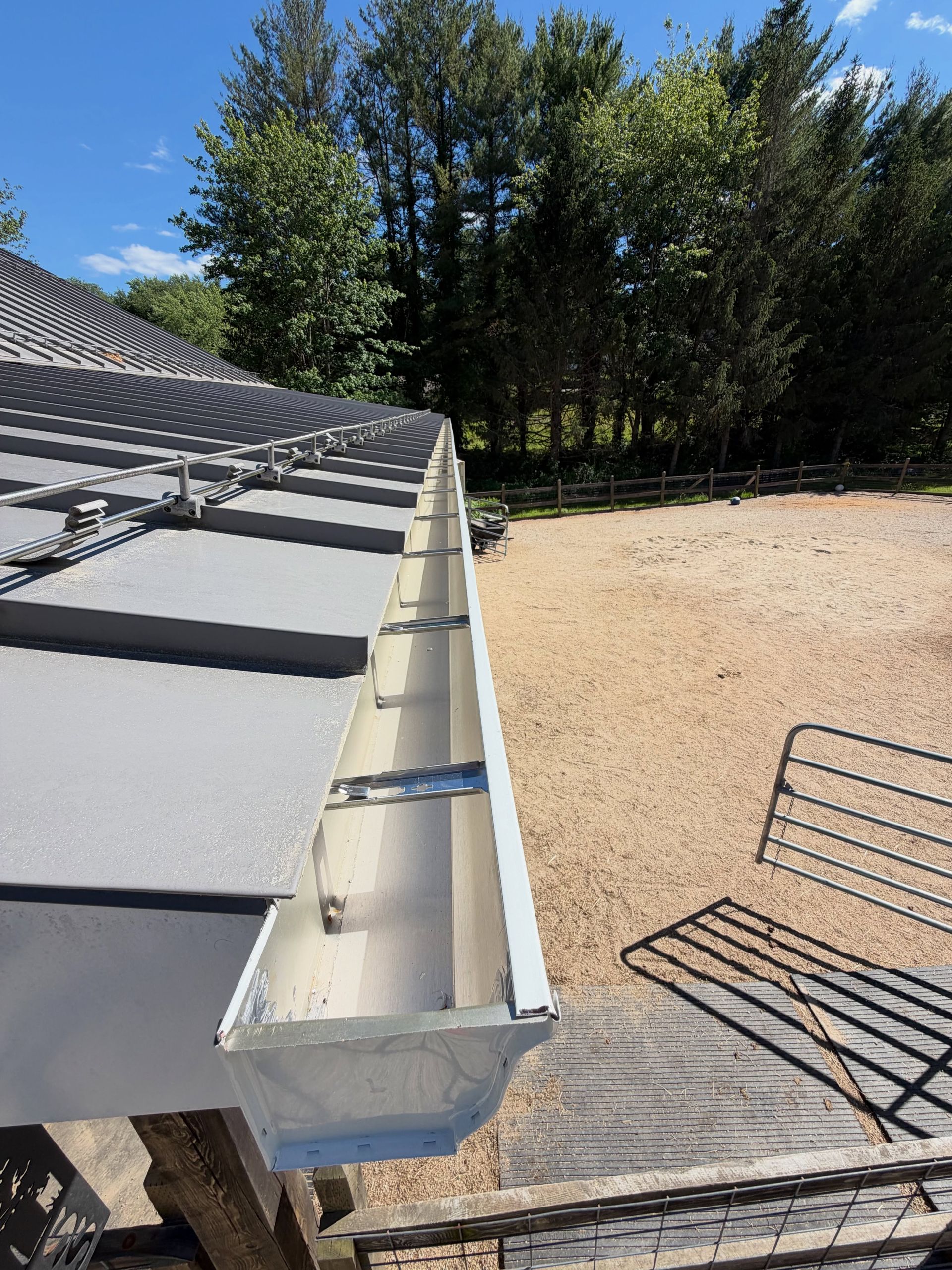
Why Targeted Cable Placement Prevents Winter Damage
Heat cable works by creating a controlled melt channel that allows water to drain off the roof instead of freezing at the eave. The cable is positioned at the exact points where snowmelt refreezes—typically the lower three feet of the roofline and in valley channels where snow accumulates. When cable is routed to these zones, water moves through the system even during extended cold snaps that follow heavy snow.
After installation, you'll see clear drainage channels at the eave during snowmelt, and the gutter line stays clear instead of building the ridge of ice that pulls hangers loose and cracks fascia. The fascia stays dry, the gutter sections remain fastened to the structure, and interior walls avoid the moisture intrusion that creates stains and insulation damage.
Every nor'easter season brings freeze-thaw cycles that test rooflines. Properties with low-pitch profiles are the highest-risk candidates for ice dam formation because snow doesn't shed quickly, and the eave line becomes the point where melting snow refreezes into a dam. The cable addresses this pattern proactively, before damage accumulates over multiple winter seasons.
What Homeowners Ask About Heat Cable Installation
Properties across Nashua face different ice dam risks depending on
roof pitch, ventilation, and exposure. Here's what homeowners typically want to know before installation.
What makes a roofline vulnerable to ice dam formation?
Low-pitch roofs with poor attic ventilation trap heat that melts snow unevenly, and the melt refreezes at the cold eave line where it has nowhere to go. North End and Merrimack homes with this profile see ice dam damage nearly every winter.
How is heat cable routed differently than a standard installation?
The cable follows the exact path where ice forms—along the eave edge and up through valley channels—rather than being draped across the gutter where it can't address the formation zone. This targeted routing stops ice where it starts.
When should heat cable be installed?
Installation happens before snow season, ideally in late fall when rooflines are clear and dry. Waiting until after the first ice dam forms means the cable goes in under less-than-ideal conditions and doesn't protect against early-season damage.
What damage does heat cable prevent?
Ice dams pull gutter hangers loose, crack fascia boards, force water under shingles, and soak insulation inside exterior walls. The cable prevents all of these by keeping water moving off the roof instead of freezing into a dam.
Does the cable need to run all winter?
The cable activates only when temperatures and conditions create ice dam risk. It's not a constant heat source—it's a targeted drainage solution that responds to freeze-thaw cycles specific to New Hampshire winters.
GWB Seamless Gutters positions heat cable where freeze-thaw patterns actually create problems, not where it's easiest to install. Request an on-site consultation to map formation zones on your roofline before the next nor'easter arrives.